书信
我们回归本源,将所有书信类型打回原形,只分 2 类:被动写信和主动写信。 被动写信:根据题目提供的情景或来信被动回复对方,即回复信、答复信,收件人一定认识你。主动写信:根据题目提供的情景从无到有的主动发起邀请、投诉、建议等,收件人(机构)不一定认识你。二者仅在称呼和第一段是否需要自我介绍上有区别。称呼
仔细读题,搞清楚收信人或者收信机构是什么。翻阅历年真题,总结如下:正文
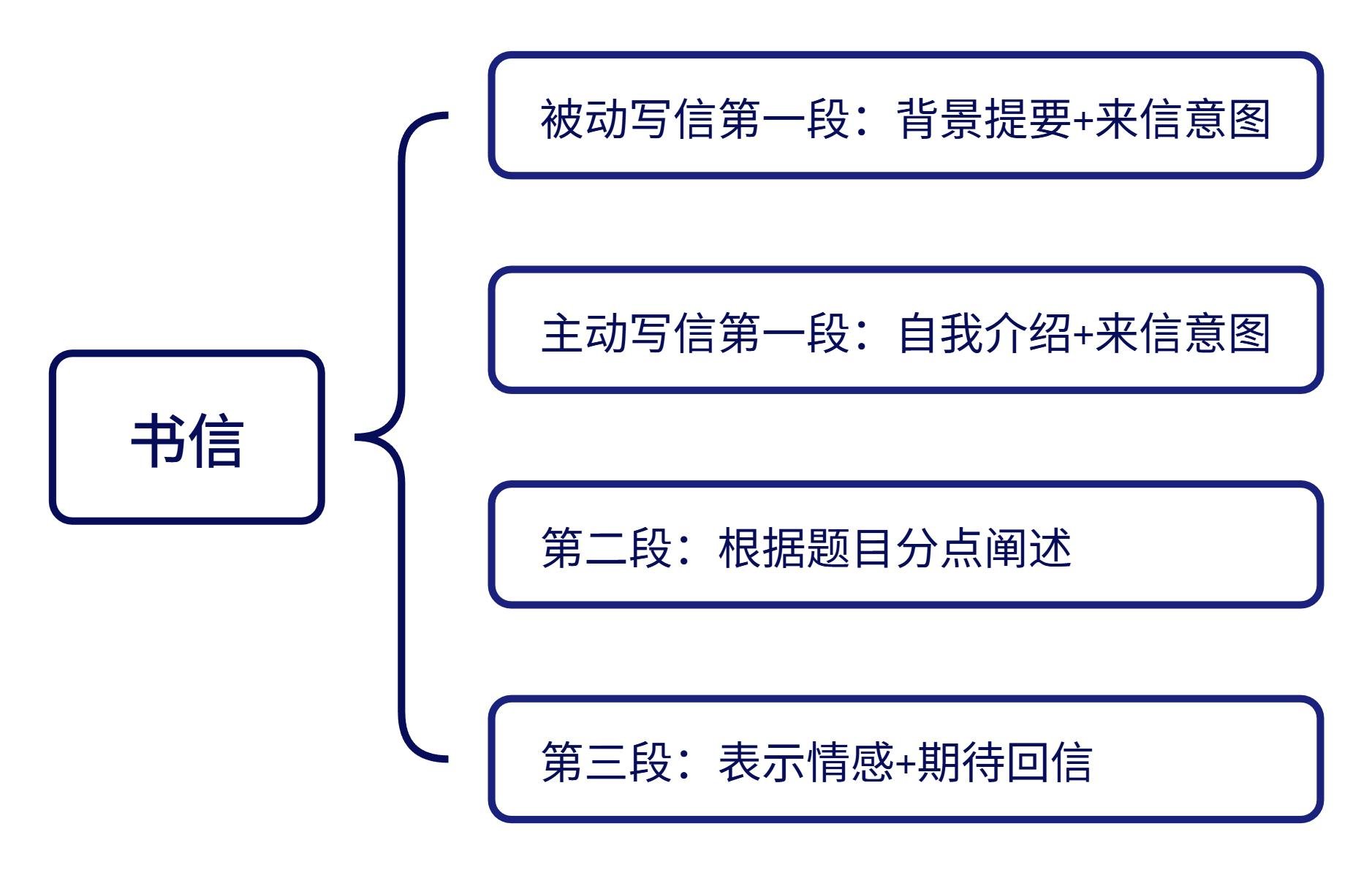
被动写信(回复信)第一段
第一句:背景提要
发生什么事了导致“我”建议、投诉、邀请、感谢、道歉、申请、辞职、推荐、请求、询问、回复等。 积极的(对方来信是赞美/分享/询问): Thanks for your email. I’m so pleased/ glad/excited/sorry/disappointed to hear that… 谢谢你来信,我很高兴/开心/激动/抱歉/失望听到… Thank you for sharing… with me. I truly enjoyed it. 感谢你分享…,我真的很喜欢。 I was delighted to receive your email about… 很高兴收到你关于…的来信。 消极的(对方来信是投诉/坏消息/我的过错) I’m sorry to hear that…/ I must apologize for…/ I understand your concern about… 我很抱歉得知…/ 我必须为…道歉/ 我理解您对…的担忧 I want to express my 心情 through this letter regarding 主题词 that… 我想通过这封信表达我对“主题词”的“心情”。 心情——disappointment 不满/ displeasure 不高兴/ apology 道歉/ regret 遗憾; 主题词——根据题干内容确定,例如 a product一个产品/ a tragedy一个悲剧/ a misunderstanding一个误会 通用的寒暄 I hope this letter/email finds you well and… 展信佳(祝看到这封信的你一切安好)。 It was a great pleasure to receive your email. 收到您的来信,我深感愉快。 It gives me great pleasure to write to you. 能给您写这封信,我倍感荣幸。 Allow me to extend my warmest greetings to you. 请允许我向您致以最诚挚的问候。 注意:上方句子中省略号代表的内容摘抄或改编自题干,改编的思路有同义词 或词组替换、主动被动转换。并非所有年份的题目都给出了足够多信息供你改写,本句若无法根据题干信息改写,可省略或使用通用的寒暄。 例:2025 年英语一(答复信,实质是介绍信,介绍展览和工作,邀请参加)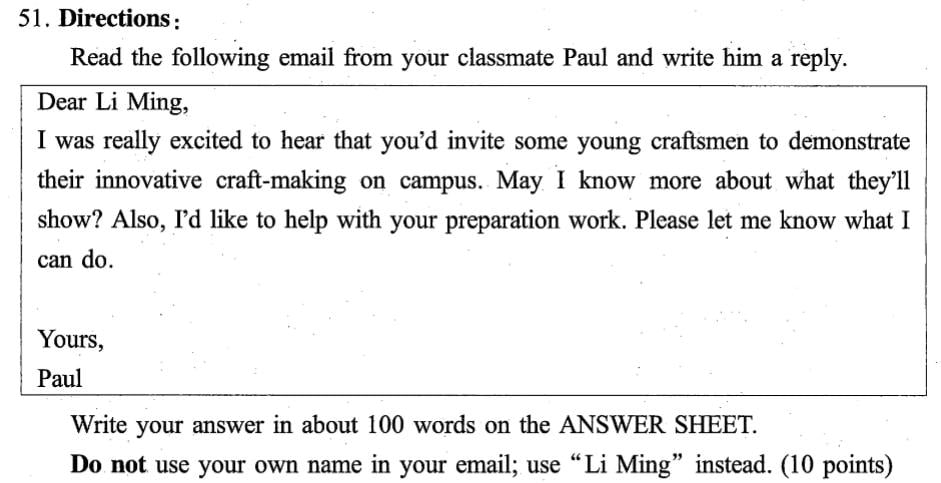
第二句:来信意图
答复信无需自我介绍,因为对方知道你是谁,因此直入主题,介绍来信意图。 I am writing this letter in order to (或 I am writing to)+ express my gratitude/ appreciate your…感谢clarify some misunderstandings/ apologize for my…道歉
congratulate you on…祝贺
express my sympathy/ extend my condolences for…慰问
suggest some improvements/ make several suggestions about…建议
seek your advice on… / ask for your suggestions about… 征求
complain about…/ express my dissatisfaction with 投诉
praise/ commend your excellent customer service 表扬
invite you to participate in/ attend…邀请
inform you that…/ notify you of the meeting. 通知
thanks for/ accept/ decline your invitation.谢谢/接受/拒绝邀请 inquire about…咨询 reply to your email/ answer your questions.答复
tell you more about…告诉
share my thoughts/ feelings about…分享
introduce… to you.介绍
recommend…to you.推荐
introduce myself.自荐
remind you that… / draw your attention to…提醒
request your assistance.求助
offer my support.帮助
apply for admission / a scholarship / a position 求学/申奖/求职
submit my resignation / formally resign from my present position 辞职
describe my recent plan/ provide further details about the plan 计划
specify the event arrangement. / outline my daily schedule.安排
confirm our appointment.确认
summarize the main points of the meeting.总结
highlight the importance of this matter. 强调
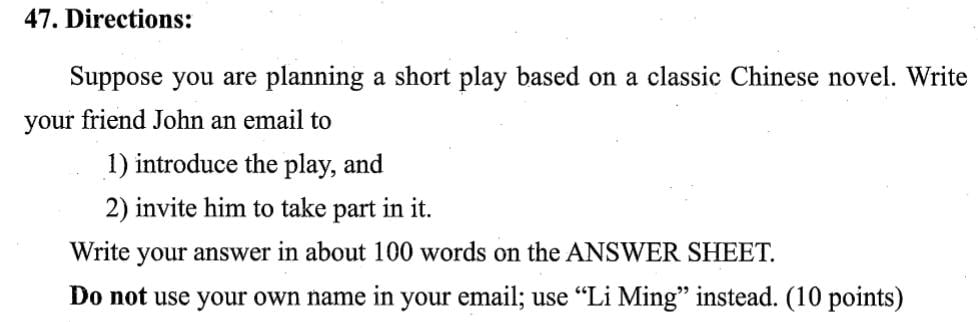
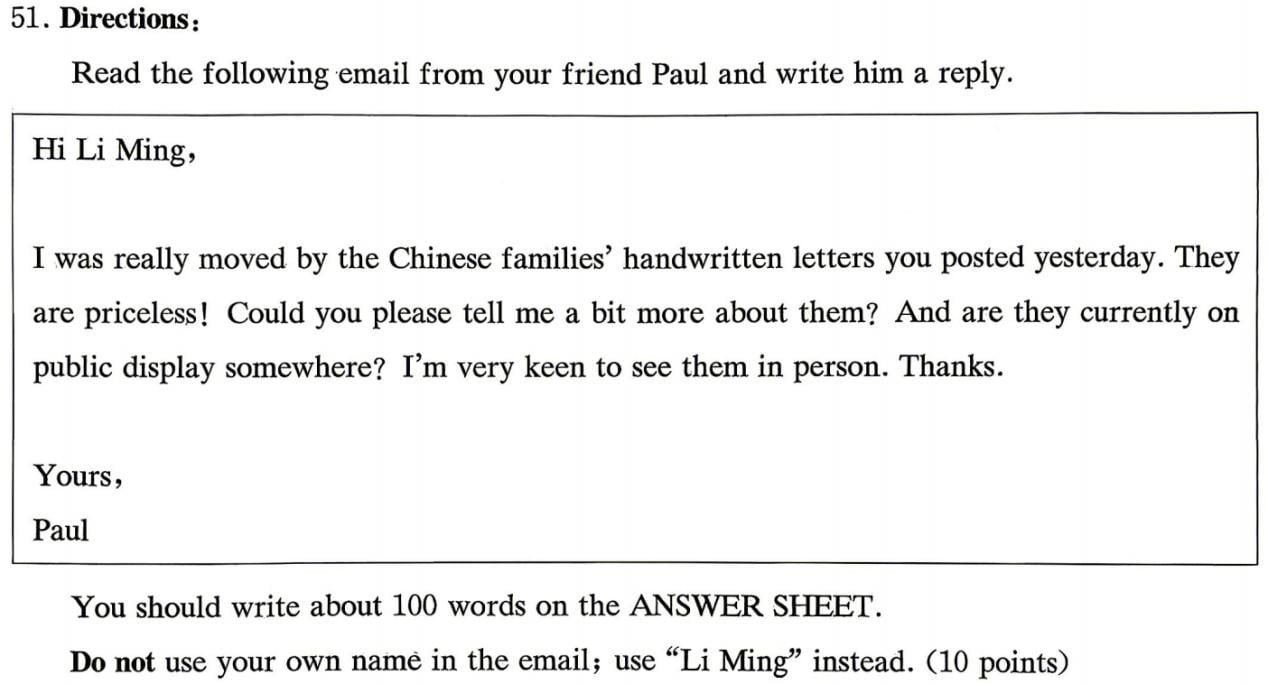
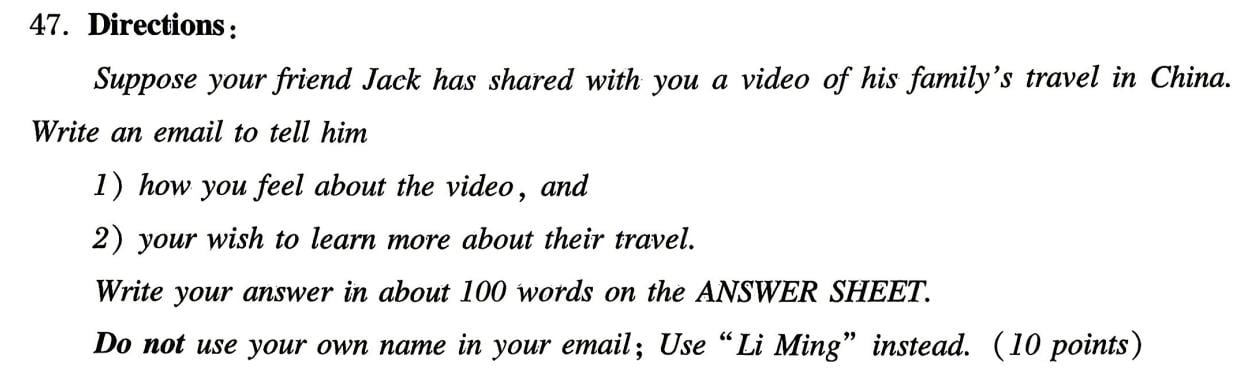
call on everyone to… / appeal to the public to… 呼吁 注 1:以上内容省略号代表的是具体事件,根据题目而定。 注 2:I am writing to 仅仅是一个通用型的引入,若场景较严肃,可使用正式开头——The purpose of this letter is to… 本信旨在… I am writing with the intention of… 我写此信意在… 也可以使用各类信件的专用开头,例如邀请信—— It is my honor to invite you to join in 某活动/ visit 某地. 我很荣幸地邀请您参加某活动/某地。 It is my honor to inform you that you have been selected as a member of the Student Union. 我很荣幸地邀请/通知您已被选为学生会的一员。 注:It is my honor to 可被替换为 It gives me immense pleasure to. 例 2026 年英语一: I am writing to tell you more about these precious letters.. 我写信是想跟你多讲讲这些珍贵的家书。 例 2026 年英语二: I am writing to share my feelings about the video and learn more about your trip. 我写信来分享我对视频的感受,也想了解你们的旅行。 例 2025 年英语一和英语二可以使用同一句话: I am writing this letter in order to provide further details about the plan. 我写这封信是为了提供有关该计划的进一步细节。 注:若觉得太简单请将 plan 根据题干改写。 例 2023 年英语二(推荐信建议信)
公务信函(主动写信)第一段
第一句:自我介绍(不可省略)
公务信函,对方(例如:某教授、某组织、某机构等)不知道你的身份,因此需要简单地自我介绍,表明身份即可。有两种情况:1.题干已经给出;2. 题干未给出。出现第二种情况时,默认自己是学生。 可以单独成句:I am a student from the department of Art at a university./ I am an undergraduate at a university, majoring in Art./ I am currently pursuing a degree in Art at a university.也可以融入开头:As a student in the Art Department, I am writing to…第二句:来信意图(同答复信)
例 2022 年英语一(邀请信):- Directions: